Our Pre-K Program
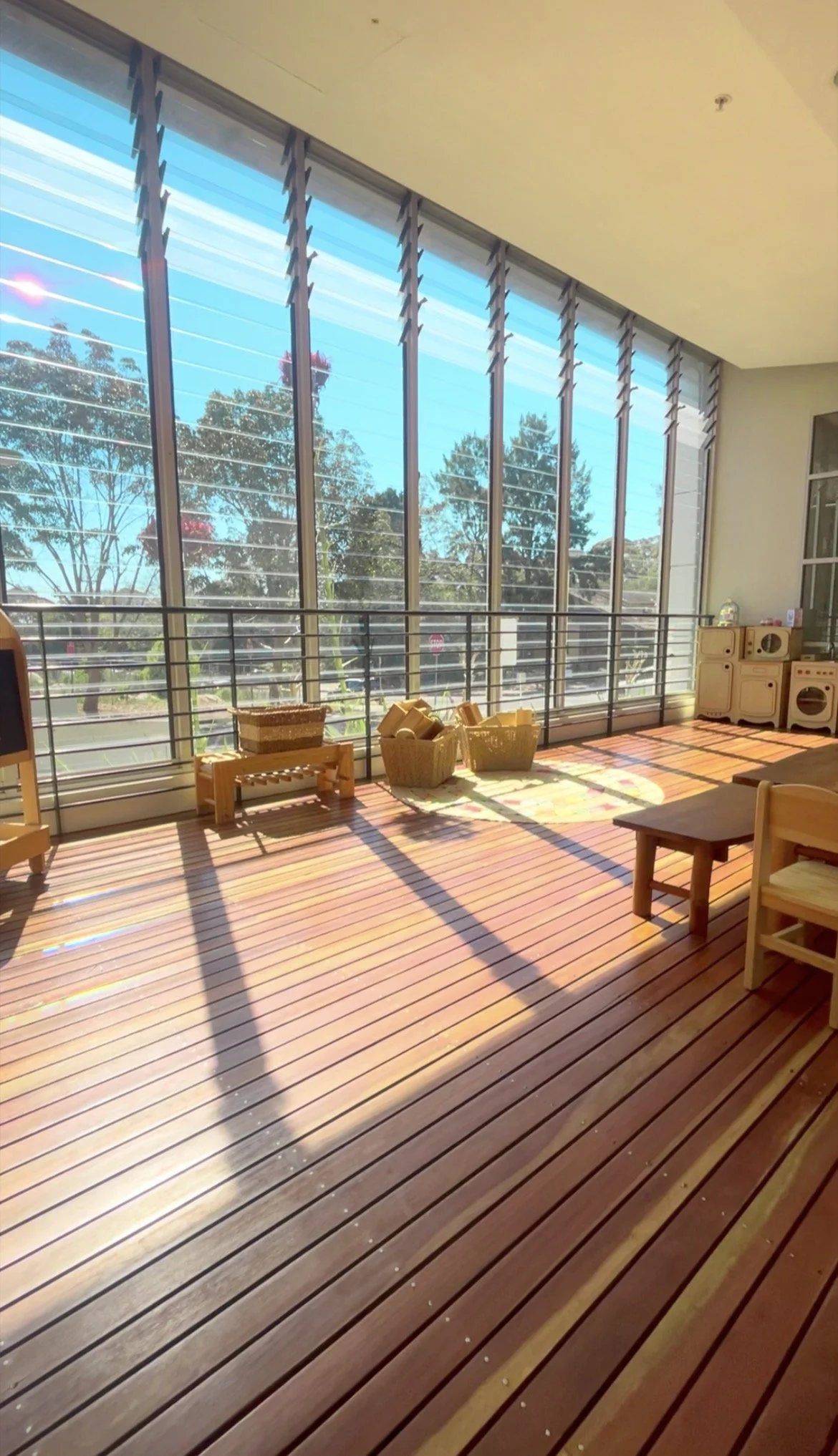
Prep For School is a school readiness and foundation skills program for children preparing for Kindergarten. In our Castle Hill space, experienced primary educators get to know each child and plan a clear next step from where they are now.
Children learn in small groups, with up to 16 children working in two groups of eight and three educators across the class. This gives them room to make friends and practise school routines while receiving close guidance.
There is no entry test. Your child does not need to know every letter or number before joining. We build confidence alongside early literacy, numeracy, communication, handwriting, fine motor skills and independence.
A confident start
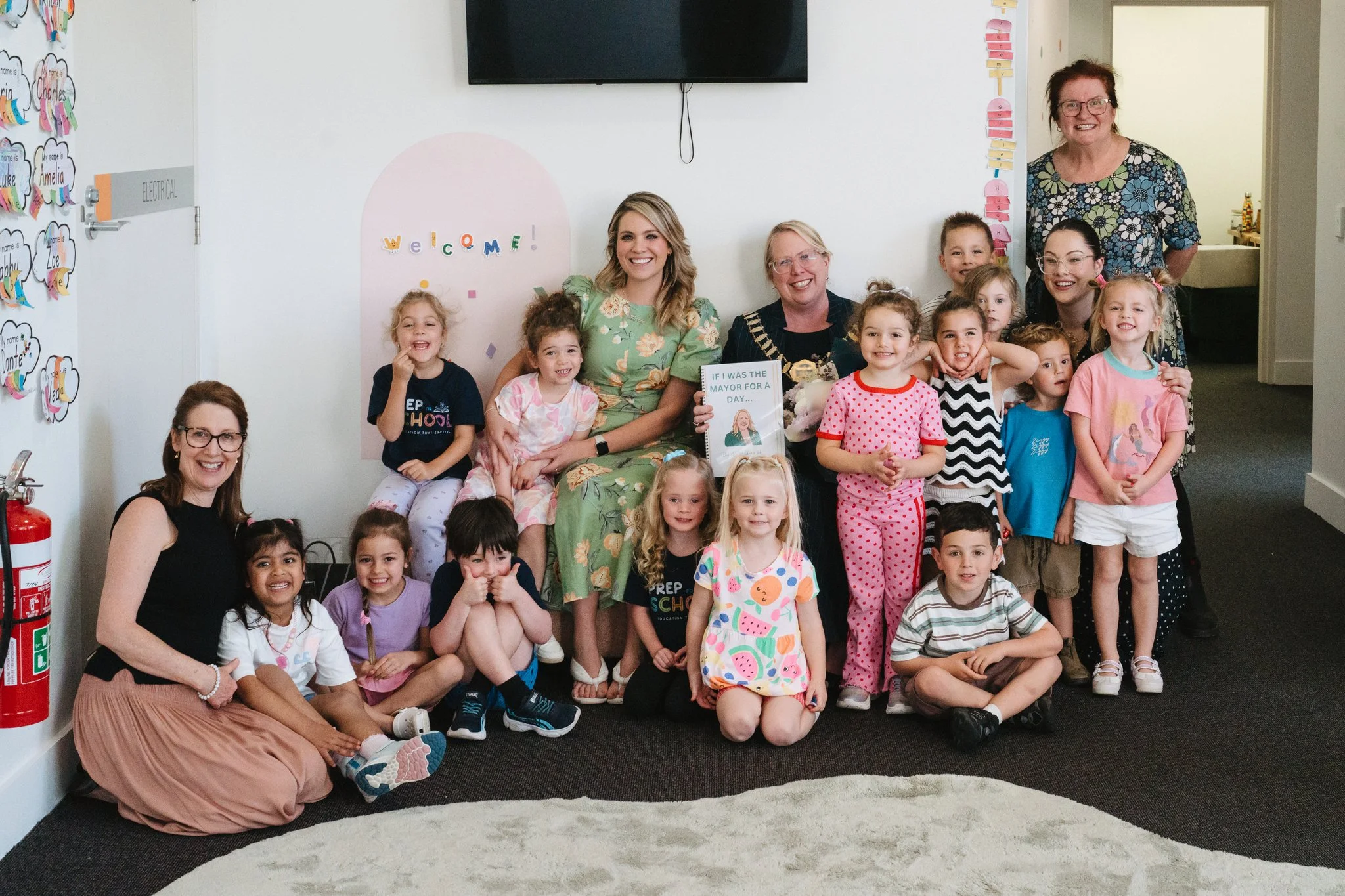
A Prep session balances guided teaching with time to play, move and practise alongside other children. In small groups, educators lead story and sound games using PreLit, hands-on counting and pattern activities, and early drawing and handwriting with Casey Caterpillar.
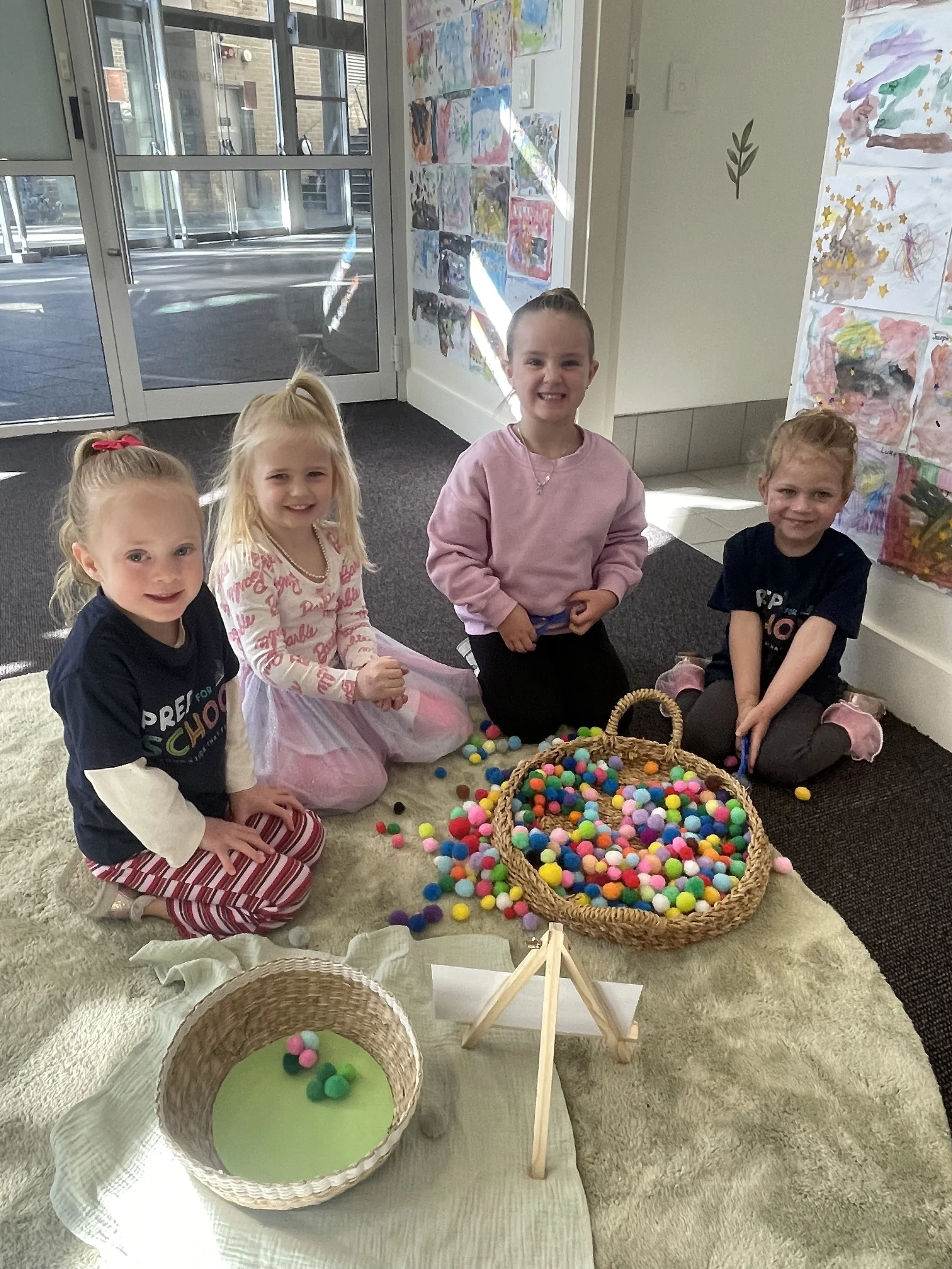
Fine motor work is woven through the session: cutting, manipulating small objects, using tools and building the hand strength and control needed for writing. Children also practise speaking to a group, listening, taking turns and working through everyday social moments.
Social time gives children opportunities to join play, share ideas, listen to others and use their words to solve small problems. Our regular visit to Castle Hill Library adds the routines of walking together, following instructions, borrowing a book and caring for a shared community space.
What a session looks like
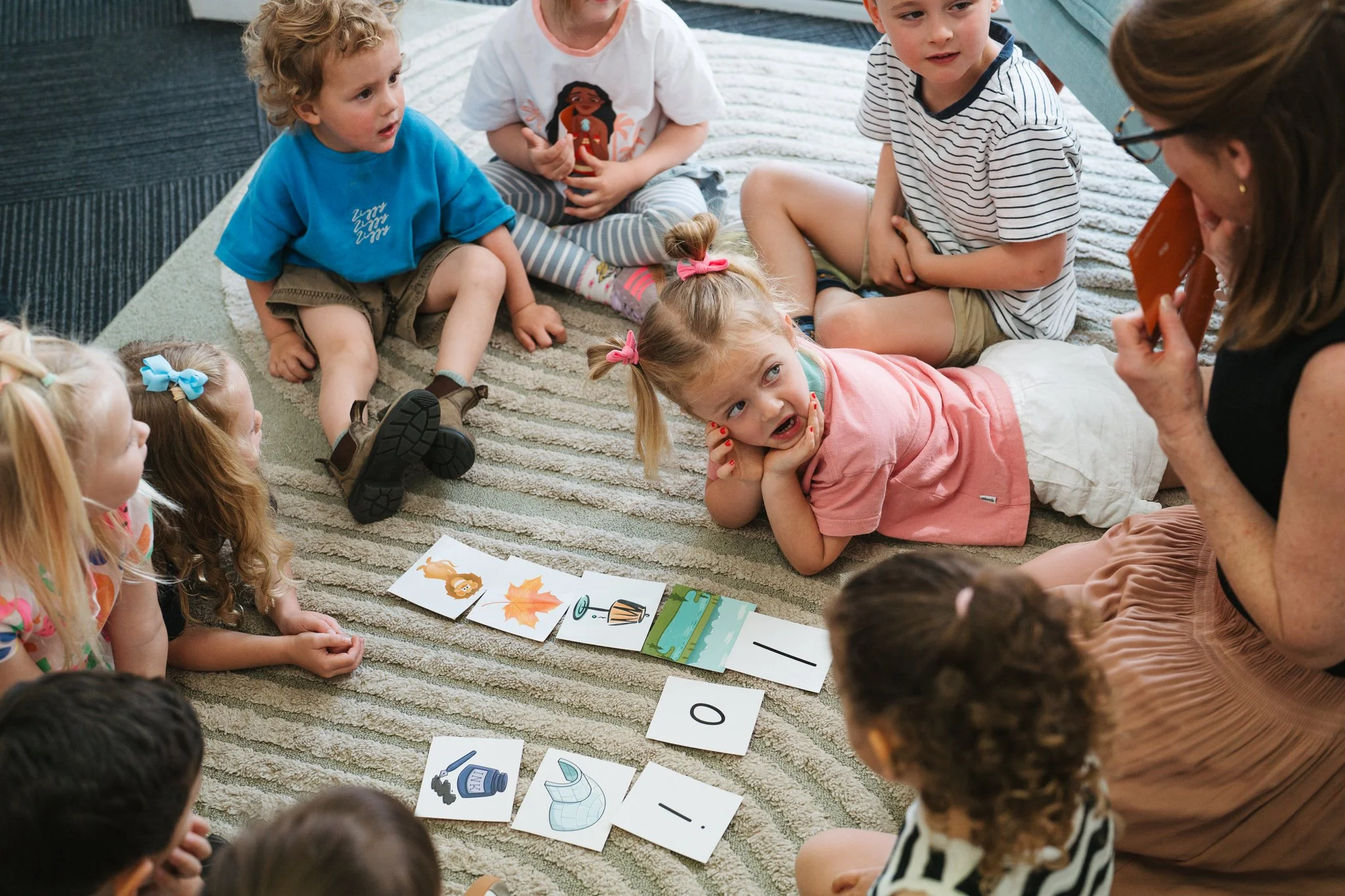
Children arrive with different strengths, personalities and experiences. We observe what they can already do, adjust each activity and set achievable goals, whether they are beginning to separate at drop-off, learning to join a conversation or ready for an extra challenge in reading and number work.
Our primary educators bring deep Kindergarten experience. Our speech pathologist contributes language expertise and supports small-group social communication. Families can tell us what their child is working on, and we use those conversations to make support feel personal.
The goal is a child who can try, ask, listen, play, look after their belongings and feel proud of their progress. Academic foundations matter, but so does believing they belong in the classroom.
Teaching that meets your child